



How Physical Therapy Relieves Hip Pain
You go to tie your shoes, take a walk, or get out of the car, and there it is again: that deep, nagging ache in your hip. For some, the pain is sharp. For others, it’s stiff and slow. Either way, it’s disruptive. At McCabe and Brady Physical Therapy, we understand how frustrating hip pain can be and how much it interferes with the daily activities you enjoy. That’s why we take a direct, personalized approach to help you feel better, move better, and get back to doing the things that matter most.
This article walks you through what to expect from physical therapy for hip pain, how we find the source, what treatments we provide, and the benefits of working with our McKenzie-certified therapists.
Understanding Your Symptoms Starts the Process
Hip pain isn’t always straightforward. For some patients, it’s a dull ache after sitting too long. For others, it shows up suddenly while going up the stairs. The first step in treatment is understanding your specific experience, and that starts during your first appointment.
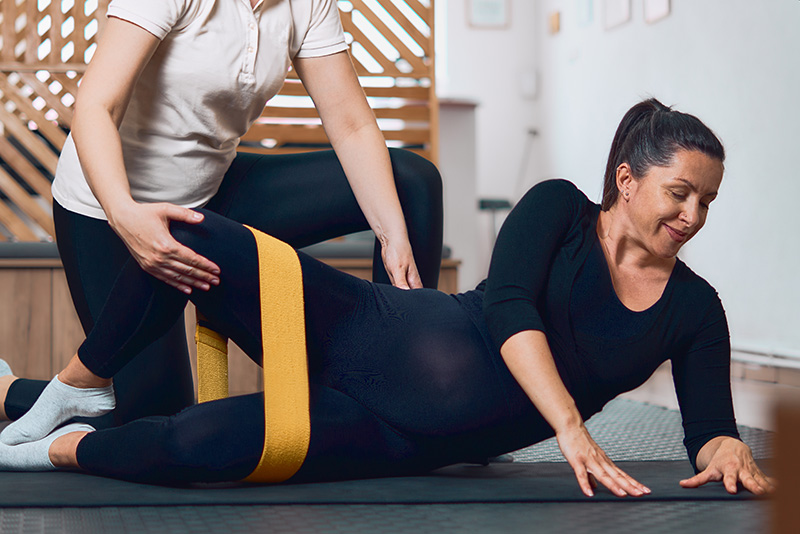
Your physical therapist will ask questions to get a full picture of your symptoms. Where exactly do you feel pain? Is it in the front of the hip, along the side, or deep in the joint? Does it worsen with movement or while resting? Do you feel stiffness, weakness, or pain that radiates down your leg? We’ll also ask about changes in how you move, whether you’ve started limping, avoiding stairs, or shifting your weight while walking.
This detailed conversation, paired with a hands-on evaluation, helps us determine what’s really going on so we can treat it effectively.
Finding the Source, Not Just the Symptoms
At McCabe and Brady Physical Therapy, we don’t chase symptoms. We look for the source. Every pain has an origin, and until that source is identified, relief will be temporary at best.
Hip pain may stem from a number of conditions, including:
- Referred pain from the lumbar spine. According to the EXPOSS study, which examined 322 patients complaining of extremity pain. They found that in 71% of the patients complaining of hip pain, their issues originated from the lumbar spine or lower back.
- Osteoarthritis, a degenerative joint condition that causes cartilage breakdown and joint inflammation.
- Labral tears, often seen in active individuals, where the cartilage around the socket is damaged.
- Muscle or ligament sprains, which may occur with sudden movements or trauma.
- Overuse injuries, such as tendinitis or bursitis, are caused by repetitive stress or improper mechanics.
Even in cases where there’s no clear injury, years of inefficient movement or postural habits can wear down tissue and create dysfunction. Our therapists use proven diagnostic frameworks, including the McKenzie Method and Cyriax principles, to ensure we address the right issue, not just the symptoms on the surface.
How Physical Therapy Helps You Get Back to Living
Once we’ve identified what’s causing your hip pain, we’ll develop a treatment plan tailored to your needs, lifestyle, and goals. Our therapists focus on restoring function, not just reducing pain. That means everything we do has a purpose behind it, from hands-on treatment to home exercises.
Your plan may include:
- Manual therapy to reduce stiffness and improve joint mechanics.
- Targeted mobility exercises to restore your ability to move freely.
- Strengthening the muscles that support your hip and pelvis.
- Movement training to improve the way you walk, climb stairs, or perform sport-specific activities.
Each session builds on the last. Our team continues to re-evaluate your progress and adjust your program as needed. We know from experience that what works one week might need to change the next. That adaptability is part of why our treatment approach is so effective.
Everyone’s recovery looks a little different. Some patients come in with recent injuries and improve in a few weeks. Others arrive after years of managing chronic pain and start seeing results over a longer timeframe. Whatever your case, attending appointments consistently and following your home exercise plan will make a significant difference in your outcome.
Take the First Step Toward Hip Pain Relief
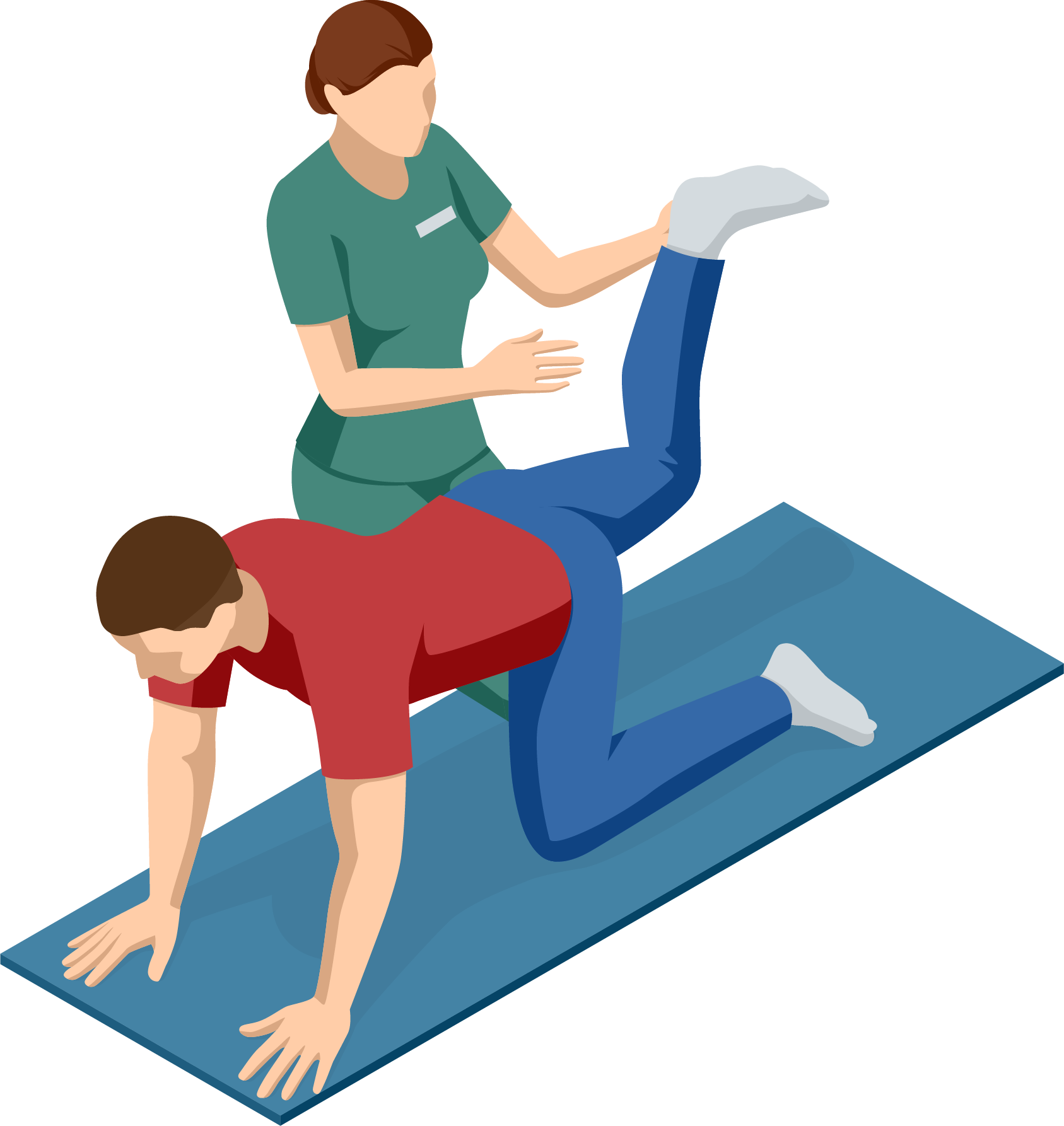
Hip pain can chip away at your mobility, independence, and quality of life, but you don’t have to settle for that. At McCabe and Brady Physical Therapy we’re here to help you take the first step toward lasting relief.
We focus on finding the source of your pain, creating a clear treatment plan, and walking alongside you every step of the way as you recover. Call us today to schedule an evaluation and let’s get you moving forward, one step at a time!
Sources:
https://pmc.ncbi.nlm.nih.gov/articles/PMC9932106/
Get Started with PT Now!
Return to McCabe and Brady Physical Therapy and Let’s Continue Your Journey to Wellness Together. Schedule Your Appointment Now!
June Word Scramble
cresunnse
teaaldcsns
miwsmngi
avoatnic
gdenidw
refiifsle
Answer Key
sunscreen
sandcastle
swimming
vacation
wedding
fireflies

Fire up the grill and enjoy these zesty Grilled Shrimp Tacos with Avocado Crema—fresh, flavorful, and perfect for a quick summer meal. With smoky shrimp and creamy, tangy avocado sauce, every bite is a crowd-pleaser!
Enjoy This Seasonal Healthy Recipe!
Grilled Shrimp Tacos With Avocado Crema
- 24 large shrimp peeled, deveined
- olive oil
- seasoned salt
- black pepper
- 8 corn tortillas
- 1 bag, shredded green cabbage
- fresh cilantro for garnish
- limes for garnish
- Mexican crema for garnish
Avocado Crema:
- 1 large or 2 small avocados
- 1/4 cup Mexican crema
- (or alternatively, sour cream)
- 1 clove garlic, minced or grated
- squeeze of lime juice
- salt and pepper
Avocado Crema: Smash avocado in a bowl. Mix in minced garlic and Mexican crema (or sour cream) until smooth. Squeeze in the juice of 1/2 a lime along with a generous sprinkle of salt and pepper.
Shrimp: Rinse shrimp under cold water and pat dry with a paper towel. Drizzle shrimp with olive oil and season generously with your favorite seasoned salt blend and ground black pepper. Skewer shrimp and place on grill. Grill 3-4 minutes per side just until pink throughout. The shrimp can cook quickly depending on how hot your coals are. Remove skewers from the grill and remove shrimp.
Tortillas: Heat tortillas on the stove top (they will dry out on the grill) just until hot and slightly charred. Top each tortilla with a dollop of avocado crema and spread. Add shredded cabbage, shrimp, torn cilantro, and a squeeze of lime juice. Drizzle with more Mexican crema. Serve immediately, while the shrimp is hot.
Follow Us on Social Media!

Follow the buttons below to find McCabe and Brady on your favorite social media sites and stay up to date with what happens around our clinic!
Thank you for subscribing
to McCabe and Brady Physical Therapy

5 Pool Exercises For a Full-Body Workout
Exercising in water can provide a great full-body workout without some of the drawbacks of land-based exercises.
1. Walk in water. It targets your arms, core, and lower body. Keep your arms in the water and move them as you walk. Engage your core and stand tall.
2. Water arm lifts. Using foam dumbbells will help add more resistance. Stand in water up to your shoulders. Hold the dumbbells at your side, with your palms facing up. Draw your elbows in close to your torso as you lift your forearms to the height of the water. Rotate your wrists to turn your palms facedown. Lower your arms back to the starting position. Do 1-3 sets of 10-15 reps.
3. Lateral arm lifts. This exercise, which targets your upper body, is also best done with foam dumbbells. Stand in water up to your shoulders. Hold the dumbbells at your side. Raise your arms to the side until they’re level with the water and your shoulders. Lower your arms back down to your sides. Do 1-3 sets of 8-14 repetitions.
4. Back wall glide. This exercise helps to activate the muscles in your core and lower body. Hold onto the pool ledge, tuck your knees into your chest, and press your feet into the wall. Push off from the wall and float on your back as far as you can. Draw your knees into your chest, press your feet down to the bottom of the pool, and run back to the wall. Continue this exercise for 5-10 minutes.
5. Leg kicks. This exercise works the muscles in your core and legs. Use ankle weights to make it more challenging. Hold onto the pool ledge or hold a kickboard. Alternate flutter kicking, scissor kicking, breaststroke kicking, and dolphin kicking. Do each kick for 1-3 minutes.
Water workouts are an effective way to boost your cardio fitness while strengthening your major muscle groups, but as with any new exercise program, always speak to your physical therapist first. Contact McCabe and Brady Physical Therapy to see if aquatic exercise is right for you!

Our Patients Get Great Results
“The entire experience was great, from the receptionist, assistant, and the physiotherapist. Everyone was focused on getting me back to full health.“
— Dennis F.
What’s a HEP, and Why Is It So Important to Your Success?
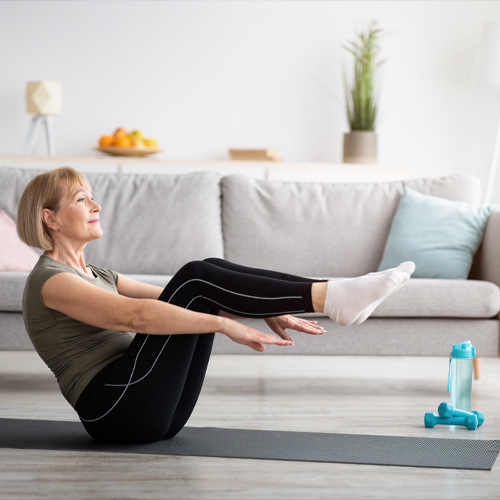
If you’ve ever worked with a physical therapist, chances are you’ve heard the term HEP. It stands for Home Exercise Program, and it’s one of the most important parts of your recovery.
At McCabe and Brady Physical Therapy, your HEP isn’t just a handout with a few generic stretches. It’s a carefully selected set of exercises tailored to your condition, goals, and stage of progress. It’s meant to build on the work you do in the clinic, help you move better at home, and support a faster return to function.
Your body needs consistent movement and muscle activation to heal. While appointments are vital, most patients only come in a few times per week. That’s where your HEP bridges the gap. These exercises are to diminish pain, reduce stiffness, improve mobility, rebuild strength, and retrain proper movement patterns.
Skipping your HEP can slow your recovery or even bring symptoms back. On the other hand, completing it regularly can help you feel better, move better, and avoid future problems.
Here’s why your HEP matters:
- Reinforces hands-on treatment and exercises from your sessions
- Speeds up strength and mobility gains between appointments
- Helps reduce pain and stiffness through daily movement
- Encourages long-term independence and injury prevention
- Keeps your progress on track when clinic visits are less frequent
- May help provide your therapist with important information regarding what movements and or exercises make you better and need to be performed and which ones may worsen or not help your condition
Your HEP gives you the tools to stay active in your recovery. If you’re unsure how to perform something or need help staying on track, just ask. Our team is here to support you with every step.
At McCabe and Brady Physical Therapy, we believe consistent effort at home leads to real, lasting change. Your HEP isn’t a side task. It’s a vital part of your success!
Refer a Friend

If you’ve experienced the outstanding care at McCabe and Brady Physical Therapy, why not share it with your friends? Referring them means giving them access to personalized treatment that can make a real difference in their health and well-being. Help them find a trusted healthcare partner—refer a friend to McCabe and Brady Physical Therapy today!
Meet Our Team

Alexandra Prophet
DPT, Cert. MDT

Douglas Brady
DPT, JD, Cert. MDT, AIB-VRC

Frank McCabe
MPT, B.S. Ex. Phys., Cert. MDT

Lauren Suchanick
DPT, Cert. MDT, AIB-VRC

Richard Winters
PT, DPT, OCS, Dip. MDT

Steve Smeck
BS. Ex. Phys, DPT