

Managing Meniscus Injuries: How Physical Therapy Can Help You Avoid Surgery
Meniscus injuries disrupt movement, weaken knee stability, and make everyday activities more difficult. A sudden twist, pivot, or direct impact can damage the meniscus, leading to swelling, stiffness, and difficulty bending or straightening the knee. Without the right treatment, the injury may worsen over time, increasing strain on the joint and limiting mobility.
Physical therapy provides a structured, non-surgical way to restore function. At McCabe and Brady Physical Therapy, our treatment focuses on identifying the underlying cause of knee pain and creating a plan to improve movement and strength. The right rehabilitation approach helps restore mobility, build knee stability, and reduce strain on the joint.
How Meniscus Injuries Disrupt Knee Function
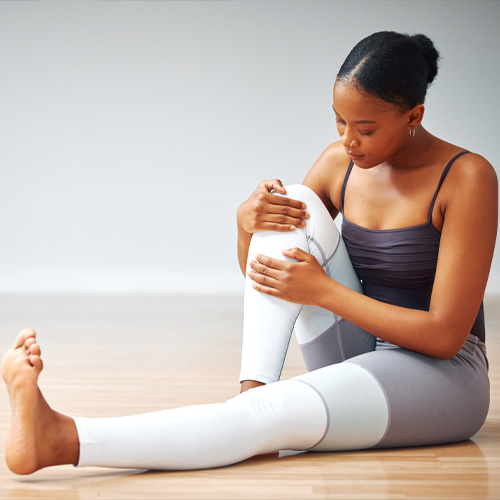
The meniscus cushions the knee joint, absorbing shock and distributing weight evenly. When damaged, the knee may lose stability, leading to discomfort and restricted movement.
What causes a meniscus tear?
- Sudden twisting or pivoting motions, especially during sports.
- Prolonged positions that keep your knee bent like sitting with your feet tucked under your chair or a prolonged deep squat when gardening.
- Deep squatting or lifting heavy objects with poor knee positioning.
- Direct impact from a fall or collision.
- Gradual cartilage wear over time, leading to degeneration.
Signs of a meniscus injury include:
- Pain and stiffness, especially when bending or straightening the knee.
- Swelling within the first 24 hours.
- A sensation of locking or catching inside the knee.
- Difficulty bearing weight or a feeling of instability and or buckling.
Getting the right treatment early on prevents long-term complications. Our thorough evaluations can determine the severity of the injury and the most effective path to recovery.
Targeted Evaluation: Identifying the Root of the Problem
The way the knee moves under stress can reveal imbalances that contribute to pain. Our comprehensive evaluation pinpoints the exact cause of discomfort, whether it’s joint restrictions, muscle weaknesses, or movement inefficiencies.
At McCabe and Brady Physical Therapy, our McKenzie-trained therapists will perform a repeated movement exam to assess how the knee functions and to create a step-by-step treatment plan to restore movement and reduce pain. During this repeated movement exam, your therapist may identify a specific movement that relocates the meniscus thus relieving pain, restoring your range-of-motion and allow you to begin strengthening your knee joint with less discomfort.
Regaining Knee Motion Without Strain
Swelling and stiffness make everyday movements feel difficult, but restoring motion is the key to recovery. The right exercises, repeated movement and hands-on techniques improve mobility without adding unnecessary stress to the joint.
Strategies to restore knee motion include:
- Mobility exercises that reduce stiffness and improve joint flexibility.
- Manual therapy techniques that restore joint function.
- Progressive weight-bearing exercises that ensure functional mobility of the knee without overloading it.
Guided movement retraining helps the knee regain full function while preventing compensatory habits that could create further strain.
Building Strength to Protect the Meniscus
When knee-supporting muscles are weak, the meniscus absorbs more force than it should. Strengthening the right muscle groups improves stability, distributes impact evenly, and reduces stress on the joint.
Key muscles for knee stability include:
- Quadriceps – Support knee extension and absorb impact.
- Hamstrings – Control knee flexion and prevent excessive forward movement of the tibia.
- Gluteal muscles – Improve hip control, reducing knee strain.
- Calf muscles – Help stabilize the lower leg and absorb shock.
Building strength in these areas restores knee control and reduces the risk of further injury.
Correcting Movement Patterns That Lead to Reinjury
Many meniscus injuries stem from movement habits that overload the knee. Without correction, these patterns may persist, delaying healing and increasing the risk of reinjury.
McCabe and Brady Physical Therapy therapists analyze how the knee moves during walking, squatting, and weight-bearing activities. If inefficient movement patterns exist, retraining helps improve efficiency, reduce strain, and support healing. We also provide education on how to manage your condition on your own with a thorough home exercise program.
Start Your Recovery with McCabe and Brady Physical Therapy
Our McKenzie-trained therapists at McCabe and Brady Physical Therapy focus on identifying the root cause of knee pain and designing treatment plans that restore movement and strength. Our comprehensive evaluation ensures rehabilitation addresses the underlying issue, helping you move more comfortably and confidently.
Getting the right care early makes all the difference. Scheduling an evaluation is the first step toward regaining knee stability, improving function, and avoiding surgery!
Get Started with PT Now!
Return to McCabe and Brady Physical Therapy and Let’s Continue Your Journey to Wellness Together. Schedule Your Appointment Now!

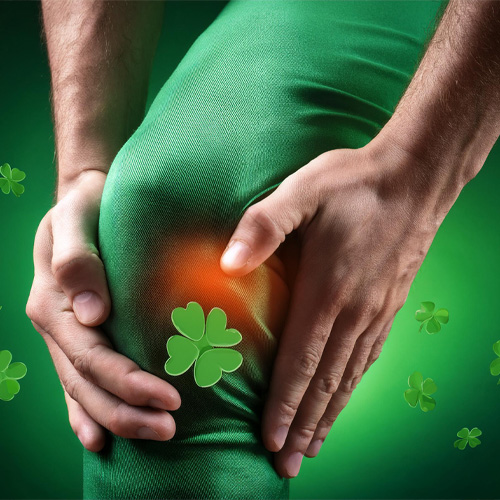
Celebrate St. Patrick’s Day with this festive and flavorful recipe, perfect for bringing a little Irish charm to your table! 🍀🥘
Enjoy This Seasonal Healthy Recipe!
Shamrock Shake
2/3 cup milk of choice
1/3 cup canned coconut milk, or creamer
1 frozen banana (or sub 2/3 cup frozen coconut meat)
2 1/2 tsp cocoa or cacao powder
scant 1/8 tsp salt
1/8 – 1/4 tsp pure peppermint extract
sweetener of choice, (as desired)
chocolate chips, (optional)
Blend all ingredients until completely smooth. Pour into a glass, and enjoy! Feel free to experiment by adding 1 tsp of instant coffee to make a frappe, or use a non-frozen banana and heat ingredients on stove top to make Shamrock Hot Chocolate!
Follow Us on Social Media!

Follow the buttons below to find McCabe and Brady on your favorite social media sites and stay up to date with what happens around our clinic!
Thank you for subscribing
to McCabe and Brady Physical Therapy
Enhancing Knee Stability During Recovery with McConnell Taping
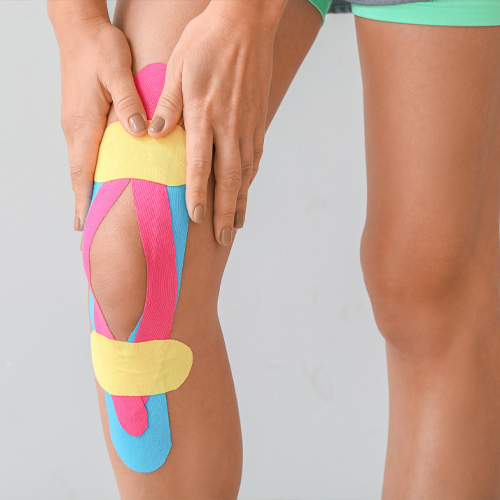
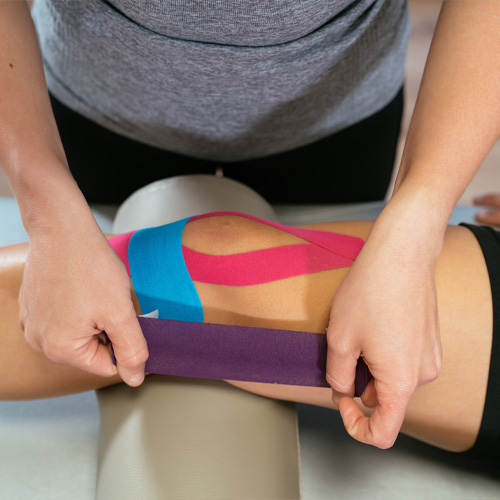
Knee pain can make everyday movements more difficult, limiting activities like walking, running, or climbing stairs. For individuals recovering from patellofemoral pain syndrome (PFPS) or other knee conditions, McConnell taping offers a structured way to improve stability and function. This taping technique supports proper kneecap movement, reducing discomfort and preventing further injury.
How McConnell Taping Supports Knee Recovery
McConnell taping helps restore knee stability by addressing common movement issues contributing to pain and dysfunction.
Improving Kneecap Alignment
- The tape repositions the kneecap, helping it track properly in the groove at the end of the thighbone (femur). Proper alignment reduces pressure on surrounding structures, easing discomfort and allows you to begin strengthening your knee with less pain.
Enhancing Kneecap Movement
- The taping technique improves how the kneecap moves during activities, reducing strain and supporting a smoother range of motion.
Increasing Muscle Strength
- The application of the McConnell tape helps to make sure your knee cap stays within the groove at the end of your thigh bone thus minimizing or even preventing the painful rubbing of your knee cap against your thigh pain when bending and straightening your knee. This allows for proper proprioceptive feedback, allowing a stronger quadriceps activation and improves your ability to increase your muscle strength enhancing knee stability and reducing stress on the joint.
Optimizing Muscle Timing
- Proper muscle activation plays a crucial role in knee function. When there is pain in the knee joint, your muscle activation and timing is disrupted. Proper application of the McConnell taping helps to minimize or eliminate pain coming from your knee cap thus allowing you to retrain the muscles to fire at the right time.
Why McConnell Taping Can Be Beneficial
McConnell taping provides several benefits for those recovering from knee injuries by improving kneecap alignment, movement, and muscle coordination.
Pain Reduction:
- Correcting knee cap positioning helps relieve pain, allowing for more comfortable movement.
Improved Function:
- Greater knee stability supports daily activities like walking and stair climbing without discomfort.
Injury Prevention:
- Supporting the kneecap’s movement reduces the risk of further strain, which may help some individuals avoid surgery.
If you are experiencing knee pain, Our McKenzie-trained physical therapists at (Practice Name) can assess whether McConnell taping is appropriate for your recovery!
Our Patients Get Great Results
“I can’t recommend this place enough if you need PT! Everyone, from the office staff to the therapists, were so kind from day one. I worked with Alex, who was absolutely amazing. She was so upbeat and knowledgeable and very clearly loves what she does. She designed an exercise regimen for me that has helped a lot with my chronic pain. Thank you!!!”
— Rachel S.
Refer a Friend

If you’ve experienced the outstanding care at McCabe and Brady Physical Therapy, why not share it with your friends? Referring them means giving them access to personalized treatment that can make a real difference in their health and well-being. Help them find a trusted healthcare partner—refer a friend to McCabe and Brady Physical Therapy today!
Meet Our Team

Alexandra Prophet
DPT, Cert. MDT

Douglas Brady
DPT, JD, Cert. MDT, AIB-VRC

Frank McCabe
MPT, B.S. Ex. Phys., Cert. MDT

Lauren Suchanick
DPT, Cert. MDT, AIB-VRC

Richard Winters
PT, DPT, OCS, Dip. MDT

Steve Smeck
BS. Ex. Phys, DPT