
What Causes a Headache With Neck Pain?
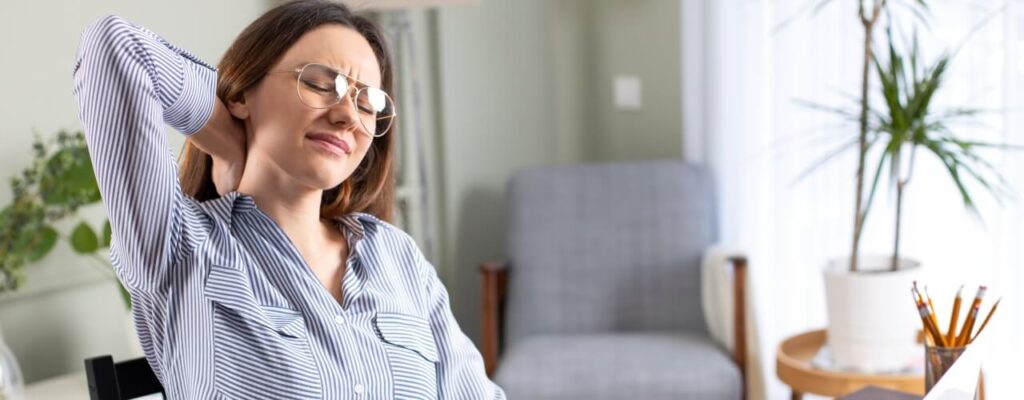
Defining a cervicogenic headache and understanding causes, treatment, and PT solutions
Have you noticed persistent pain on one side of your head? Does your pain occur in your neck, head, and maybe even shoulders? If you’re experiencing these sensations, you may have what’s called a cervicogenic headache.
A cervicogenic headache (CGH) is a unique type of headache that begins in the neck and radiates to the head. This condition usually presents as a steady ache or dull feeling but can grow to be an intense pain. CGH is classified as a secondary headache that is typically caused by a physical or neurologic condition. Typical sources can be trauma, fracture, dislocation, concussion, or another underlying medical diagnosis such as rheumatoid arthritis.
Sometimes, a cervicogenic headache can be difficult to detect since symptoms may resemble a traditional headache or migraine. However, it is important to find the root source of the pain and rule out other more serious conditions first.
Our physical therapists at McCabe and Brady Physical Therapy are highly experienced and knowledgeable when it comes to head and neck pain, and how to treat. Our goal is to free our patients from pain so that they can live life to the fullest.
If you’re experiencing symptoms of a cervicogenic headache, contact our practice today!
Symptoms of a cervicogenic headache
Common features of CGH include:
- Pain that originates at the back of the neck and travels along the forehead, temples, and ear
- Limited flexibility of the neck
- Pain along the shoulder and side of the arms
- Blurry vision and swelling of the eyes in more severe cases
- Pain that resides in the same side of the neck and head. In rare cases, both sides of the head may be affected
What causes a cervicogenic headache?
There are several different causes of CGH that can arise in the cervical region. Some of these include:
- Trauma to the joints in this region, such as a fracture or dislocation
- Sports injury
- Whiplash injury from a car accident
- Traumatic brain injury
- Spinal degeneration due to natural aging. Examples of this would be cervical degenerative disc disease (DDD) or arthritis
- Rheumatoid arthritis
- Herniated disc, which occurs when the soft center of your spinal disc pushes through the tough exterior casing
- Tumors in the cervical region that compress or interfere with the spinal nerves
Other causes that are more difficult to diagnose include:
Stress:
Many people hold stress in their bodies which can cause physical symptoms to appear. This is because when you’re tense, the muscles in your neck, head, shoulders, and jaw can feel like they’re tightening up. This sensation can lead to a tension headache or migraine if stress isn’t addressed and treated.
You can help prevent stress headaches by getting enough rest, exercising regularly, getting outside, and performing relaxation strategies such as yoga. You may want to consider seeking help from a mental health professional if stress is interfering with your life or is accompanied by anxiety and depression.
Migraine:
Migraines can present in a large range of severities. Some people with migraines feel as if they have trouble functioning, socializing, and concentrating due to the intense pain. headaches are different from tension headaches. If you have a migraine, you will likely experience throbbing and aching pain. Other symptoms may include nausea, fatigue, sensitivity to light, vision disturbances, and pain that occurs on one side of the head rather than both.
Poor Posture:
Poor posture causes strain on your muscles and tendons, which can lead to a headache with neck pain. You can help improve posture by:
- Avoiding slouching
- Investing in a chair with extra back support
- Making sure your computer and other devices are positioned on an eye-level surface when using
- Visiting your physical therapist regularly
- Avoiding sitting in one place for more than 30 minutes
How can physical therapy at McCabe and Brady Physical Therapy help with my pain?
After a thorough evaluation, your physical therapist will determine a treatment plan that’s right for you. Every patient presents their own set of unique needs and requires a customized approach to recovery.
Physical therapy usually consists of manual therapy, therapeutic exercises, and patient education. The primary focus of rehabilitation is soft tissue manipulation for tight muscles, joint mobilizations, and stiff joints.
Your McCabe and Brady Physical Therapy physical therapist will also provide you with personalized exercises that you can practice at home to ensure your treatment is continued in between sessions.
Head and neck pain can strongly influence your concentration, work performance, socialization, and other lifestyle factors. Symptoms of a cervicogenic headache can make both your physical and mental health more challenging than they should be.
At McCabe and Brady Physical Therapy, we have the tools and strategies to treat symptoms of CGH so you don’t have to live in pain any longer!
To get started with recovery, call us at McCabe and Brady Physical Therapy today.