

Plantar Fasciitis: The Most Common Cause of Heel Pain Revealed!
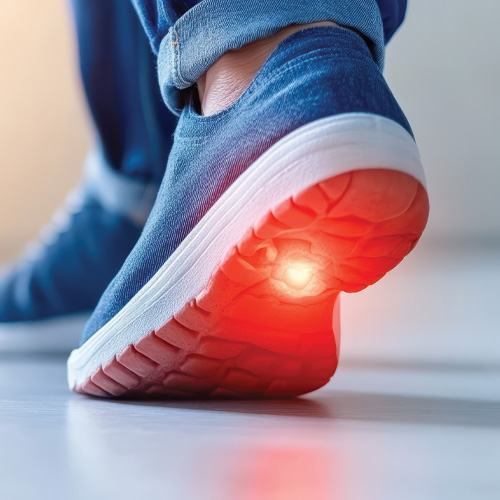
You wake up and crawl out of bed–only to feel a sharp, stabbing pain shoot up from your heel. No, you didn’t step on a tack. Plantar fasciitis may be the reason. It’s one of the most common causes of heel pain worldwide.
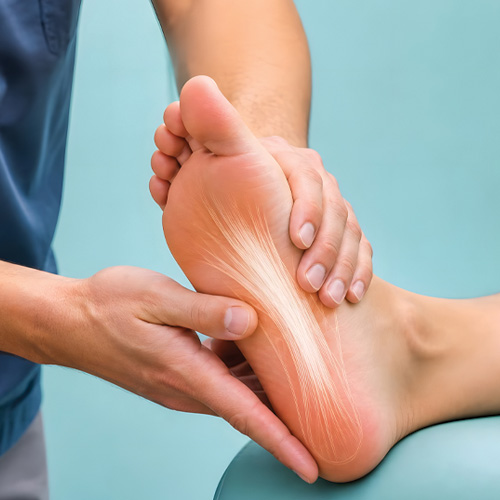
Plantar fasciitis is a painful condition that affects your plantar fascia, a thick band of connective tissue running along the bottom of your foot from your heel toward the base of your toes. The condition is associated with changes and irritation in the plantar fascia and often develops when the demands placed on the tissue exceed its current capacity leading to foot discomfort.
While plantar fasciitis is painful, it’s also easily treated with physical therapy. It is our mission at McCabe and Brady Physical Therapy to help our patients break through the barriers that prevent them from being active and enjoying life. Our McKenzie-trained therapists will work closely with you to manage your symptoms, improve your mobility and strength, and identify factors that may be contributing to your heel pain.
Today, we want to give you an overview of plantar fasciitis so you know what you’re dealing with. Already struggling with foot or heel pain? Call us to schedule an appointment so we can start helping you find relief!
How Do I Know It’s Plantar Fasciitis?
Several conditions can cause foot or heel pain, from soft-tissue injuries to stress fractures. That’s why it’s important to pay attention to the location and behavior of your foot pain, as well when it occurs and what makes it better or worse. To help you understand the signs and symptoms of plantar fasciitis, let’s look at an example case.
Sarah had recently taken up running after several years away. She loved going out every morning and jogging around her neighborhood. But after a few weeks, she started to experience discomfort on the bottom of her foot whenever she went for a run.
The pain usually started as a sharp, stabbing pain on the bottom of her heel, but she also noticed some tenderness along the bottom of her foot.
After experiencing the pain for the first time, she started to notice it more frequently, and not just after her runs, either:
- First thing in the morning, when she got out of bed
- While standing in a long line at the grocery store or walking around an amusement park
- When standing and walking again after a period of rest, like after watching a long movie in the theater
When Sarah eventually visited a physical therapist to seek treatment for her foot pain, she made sure to carefully lay out all the times she experienced pain (and all the times she didn’t; Sarah noticed the pain tended to fade around mid-morning, then flare up in the evening). That, combined with the findings from her physical examination, helped her McKenzie-trained physical therapist determine that her symptoms were consistent with plantar fasciitis.
Physical Therapy: Frontline Treatment for Plantar Fasciitis
Most cases of plantar fasciitis are initially managed with the team at McCabe and Brady Physical Therapy rather than surgery. Your therapist will develop an individualized treatment program designed to reduce symptoms and gradually improve your foot’s ability to tolerate the activities that matter to you. Recovery time varies depending on symptom duration, activity demands, and other individual factors.
Here’s what you can expect when you visit us:
Besides reviewing your symptoms, we’ll assess your foot and ankle mobility, strength, walking or running mechanics, activity levels, and other factors that may be relevant to your symptoms.
We’ll help manage your acute pain through hands-on manual therapy techniques, foot taping, or temporary activity modifications to restore localized tissue mobility and prepare your foot for active rehabilitation.
Progressive strengthening exercises can play an important role in managing plantar heel pain and improving the foot and ankle’s capacity for activity. We’ll provide you with a tailored exercise program, including simple exercises you can do at home to help maximize your recovery.
Plantar fasciitis often develops gradually, and changes in activity or training load can contribute to symptoms. For example, starting an intense new workout program (as Sarah did), or increased time spent on your feet. Other individual factors may also influence symptoms. We empower you with practical tools, customized advice, and self-treatment strategies so you can confidently manage your recovery and prevent future occurrences.
Got Foot Pain? Call Us Today!
If you’re experiencing foot discomfort or immobility, your best bet is to call the team at McCabe and Brady Physical Therapy and schedule an initial consultation. Be prepared to discuss your symptoms in detail–and to receive a customized treatment program that will have you feeling footloose and fancy-free in no time!
Get Started with PT Now!
Return to McCabe and Brady Physical Therapy and Let’s Continue Your Journey to Wellness Together. Schedule Your Appointment Now!

Bright, refreshing, and packed with vibrant produce, this Miracle Red Juice is a delicious way to enjoy beets, carrots, apples, celery, citrus, and ginger in every sip. Blend up this colorful juice for a fresh, flavorful boost that’s perfect for starting your day or enjoying as an afternoon pick-me-up.
Enjoy This Seasonal Healthy Recipe!
Miracle Red Juice
- 2 large beets
- 4 long carrots
- 2 apples
- 6 celery stalks
- 2 limes or lemons
- 2 inches of ginger
Strengthens:
- Immunity
- Eyes
- Liver
- Spleen
- Kidneys
- Pancreas
- Digestive Tract
INSTRUCTIONS
Prepare beets, carrots, apples, celery, limes (or lemons) and ginger by chopping into smaller pieces before placing into a juicer. As the skin of a beet is packed with antioxidants and nutrients, it is recommended to leave the skin on the beet. Beet skin and lemon peel (if using) have strong flavors, so you could also prepare half with skin and half peeled to adjust to the flavor, or simply peel all if preferred. Apples can be any color or variety. Do not peel the ginger, which you will add to taste as ginger can be spicy. After all ingredients are added to the juicer, blend until juiced and smooth. Drink juice as soon as possible to obtain all benefits of the antioxidants and nutrients. Miracle Red Juice can be absorbed more easily on an empty stomach. Drink one glass every other day or as needed.

3 Tips for Starting a New Workout Routine Without Injury
As physical therapists, we’re fans of exercise. The CDC recommends that adults get at least 150 minutes of moderate-intensity physical activity a week, along with muscle-strengthening activity on at least two days each week. Regular physical activity can support your mental and physical health.
That said, if you haven’t been active recently, suddenly starting frequent, high-intensity workouts can be more than your body is prepared to handle. For one, doing too much too soon can make it harder to stick with your new routine and can also contribute to excessive soreness or injury.
Fortunately, there are a few strategies that can help you safely start up a physically active lifestyle:
Ever notice how workout videos tell you to consult with a medical professional first? If you’re new to exercising, this is crucial advice! Before you dive into a new routine, schedule an appointment with our PTs. We’ll assess your strength, mobility, movement, and goals and help you develop an exercise plan appropriate for your starting point.
If you’ve ever talked to marathon runners, they’ll tell you they spend months training. No one jumps off the couch and immediately runs 26.2 miles! Follow their lead and start with low-intensity workouts. Over time, you can gradually increase factors such as duration, frequency, resistance, or intensity as your body adapts.
Make sure you begin every workout session with ten minutes of mobility exercises or light cardio and end each session with gentle stretches. Warm-ups prepare your body for movement, and cool-downs help bring your breathing and heart rate down to non-exercise levels
It is our mission at McCabe and Brady Physical Therapy to help our patients break through the barriers that prevent them from being active and enjoying life. We love empowering our patients to build healthy habits safely and at their own pace.
Call us today for personalized advice about starting your new workout routine.
Exercise of the Month
ANKLE ALPHABETS
Start by sitting up straight in a chair. Raise one leg out in front of you. Slowly write the letters of the alphabet with your foot, only moving at your ankle joint.
3 Sets, 10 Reps. (Materials needed: chair)
Follow Us on Social Media!

Follow the buttons below to find McCabe and Brady on your favorite social media sites and stay up to date with what happens around our clinic!
Thank you for subscribing
to McCabe and Brady Physical Therapy

Kids Heading Back to School? Here’s How to Help Them Avoid Back Pain
As September arrives and the school year gets into full swing, families are adjusting to early morning alarms, homework schedules, and busy extracurricular calendars. However, one essential back-to-school element that often gets overlooked is your child’s physical well-being.
The sudden transition from an active summer to sitting at a classroom desk for hours while carrying heavy books can place unexpected physical demands on a student's developing body. Many parents worry that heavy backpacks or slouched sitting habits will cause structural alignment issues. Fortunately, the human body is incredibly resilient. Discomfort can be influenced by several factors, including prolonged time in one position, changes in activity, backpack load, physical capacity, sleep, stress, and other individual factors.
Keep Your Child Moving This School Year
To help your child navigate the school year comfortably, keep these practical, movement-focused strategies in mind.
3 Simple Ways to Support a Healthy Back
Small, consistent habits can help your child build the movement capacity they need to handle the demands of school and everyday life.
Distribute the Load
When selecting a backpack, look for wide, padded shoulder straps and a supportive waist belt. Encourage your child to use both straps to keep the pack centered against their back, which allows their larger muscle groups to distribute the weight evenly.
Encourage Positional Variety
The human body thrives on motion, and sitting in a rigid classroom chair for hours at a time can strain developing tissues. Encourage your child to take advantage of passing periods, recess, and after-school activities to stand, walk, stretch, and change positions throughout the day.
Build Movement Capacity
The most effective way to protect a student's back is to keep them physically active. Regular exercise, sports, and outdoor play can help build strength, endurance, coordination, and confidence, preparing the body for the demands of school and everyday life.
Personalized Care.
Powerful Results.
Refer a Friend

If you've experienced the outstanding care at McCabe and Brady Physical Therapy, why not share it with your friends? Referring them means giving them access to personalized treatment that can make a real difference in their health and well-being. Help them find a trusted healthcare partner—refer a friend to McCabe and Brady Physical Therapy today!
Meet Our Team

Alexandra Prophet
DPT, Cert. MDT

Douglas Brady
DPT, JD, Cert. MDT, AIB-VRC

Frank McCabe
MPT, B.S. Ex. Phys., Cert. MDT

Lauren Suchanick
DPT, Cert. MDT, AIB-VRC

Richard Winters
PT, DPT, OCS, Dip. MDT

Steve Smeck
BS. Ex. Phys, DPT