



What’s Causing My Elbow and Wrist Pain — And How Can Physical Therapy Help?
Pain in the elbow or wrist can be frustrating and disruptive. At McCabe and Brady Physical Therapy, we believe every symptom has a source, and treatment must target that source directly.
Remember the last time you accidentally slammed your funny bone? That sharp, radiating pain is deeply unpleasant, fortunately, it usually only lasts a few moments. But what happens when that pain lingers? If you’re dealing with pain in your elbow, forearm, or wrist, our team is here to help!
Wrist and elbow pain can have several potential causes. Three major nerves run through the arm and can become entrapped, leading to numbness, tingling, and pain. You can also injure the muscles, tendons, or ligaments in the elbow and wrist joints, which can cause mobility restrictions and pain in the impacted area. Your symptoms may also be referred pain from a pinched nerve in your neck. Our clinicians use proven diagnostic methods such as the McKenzie Method and Cyriax approach to accurately identify the source of your pain and provide a focused, effective plan of care. We’ll help you find a way to resolve that pain for good. Call us to schedule an appointment and get started today!

A Closer Look at the Causes of Wrist and Elbow Pain
When you come in for your appointment, the first thing we’ll do is carefully review your symptoms and run a few simple movement screens to help pinpoint the cause of your pain.
Overuse injuries are one of the more common causes of wrist and elbow pain. You’ve probably heard of conditions such as tennis elbow or golfer’s elbow, both are examples of overuse injuries. They stem from repetitive movements or awkward postures that strain the joint’s soft tissue, leading to a gradual onset of symptoms.
You can also suffer acute injuries, particularly in the wrist. These injuries happen suddenly rather than over time. Wrist sprains, in which the ligaments in the wrist suffer damage, are among the most common. You can also fracture the bones in your wrist and elbow, which will typically require medical intervention.
Nerve disorders are another common source of discomfort in the elbow, forearm, and wrist. They occur when one of the nerves running through the arm becomes entrapped, leading to pain, numbness or tingling, and mobility restrictions. The location of your symptoms can let you know which nerve is affected:
- Carpal tunnel syndrome affects the median nerve and can become trapped in a structure in your wrist (the carpal tunnel). You’ll typically experience symptoms in your wrist and hand.
- Cubital tunnel syndrome affects the ulnar nerve, which passes through a narrow structure in your elbow (the cubital tunnel). If the nerve becomes entrapped in the cubital tunnel, it can cause symptoms in your elbow and hand.
- Cervical radiculopathy can affect any of the nerves in your neck and refer symptoms to your elbow and hand.
Finally, arthritis can affect your elbows and wrists, leading to pain and restricted range of motion.
What Physical Therapy Can Do to Help Ease Your Wrist and Elbow Pain
Once our therapist has determined the source of your pain, we’ll develop a customized treatment program to help you find relief. The good news is that physical therapy alone can resolve most common sources of wrist and elbow pain. Here are a few of the techniques we might incorporate into your program:
- Repeated Movements: Specifically directed repeated movements can help reduce pain and restore mobility restrictions. The repeated movement(s) that improve your symptoms will be a staple of your treatment and home exercise program.
- Manual Therapy: Manual therapy techniques help reduce pain and restore mobility restrictions. We might guide the joint through its current range of motion, manipulate your soft tissue, or try other techniques.
- Therapeutic Exercises: We’ll create a targeted, progressive exercise program to ease your symptoms. We’ll start with gentle stretches and mobility work, then move on to strengthening exercises to help support and stabilize the impacted joint.
- Braces and Splints: Some conditions might benefit from a brace or splint, which temporarily immobilizes the joint as you work on treatment. We’ll let you know if it’s a good choice and help you find the right device to suit your needs.
- Injury Prevention: We’ll let you know what you can do to prevent future injuries. We might show you ergonomic adjustments to reduce the impact of repetitive movements, postural corrections to minimize strain on your wrist or elbow, or other strategies.
We also provide education and tools to help you manage your symptoms independently and prevent recurrence, so you can stay active and confident in your daily life.

Let’s Get to the Root of Your Wrist or Elbow Pain!
Pain in the wrist or elbow can seriously impact your quality of life, making it difficult to perform day-to-day movements like brushing your teeth, typing on a computer, or preparing a meal. The team at McCabe and Brady Physical Therapy will take the time to understand your symptoms, identify the source, and create a targeted plan that leads to long-term relief.
Call us to schedule your initial appointment today!
Get Started with PT Now!
Return to McCabe and Brady Physical Therapy and Let’s Continue Your Journey to Wellness Together. Schedule Your Appointment Now!
4th of July Word Scramble
cemarai
elidtrncoaa
orkrfsiwe
ddieceenpenn
uraeecbb
beiyltr
Answer Key
america
declaration
fireworks
independence
barbecue
liberty

Beat the heat with this crisp and refreshing Summer Watermelon Feta Salad, the perfect balance of sweet, salty, and tangy flavors. It’s a light, vibrant dish that’s sure to steal the show at any summer gathering.
Enjoy This Seasonal Healthy Recipe!
Summer Watermelon Feta Salad
- 4 cups watermelon, cubed and chilled
- 1 cup cucumber, thinly sliced
- ½ cup crumbled feta cheese
- ¼ cup red onion, thinly sliced
- 2 tablespoons fresh mint, chopped
- Juice of 1 lime
- 1 tablespoon olive oil
- Salt and pepper to taste
Optional Add-ins: - Grilled shrimp or chicken for protein
- Avocado slices for healthy fats
In a large bowl, combine watermelon, cucumber, red onion, and mint. Drizzle with lime juice and olive oil. Toss gently to combine. Top with crumbled feta. Season with a pinch of salt and pepper. Chill for 10–15 minutes before serving.
Follow Us on Social Media!

Follow the buttons below to find McCabe and Brady on your favorite social media sites and stay up to date with what happens around our clinic!
Thank you for subscribing
to McCabe and Brady Physical Therapy
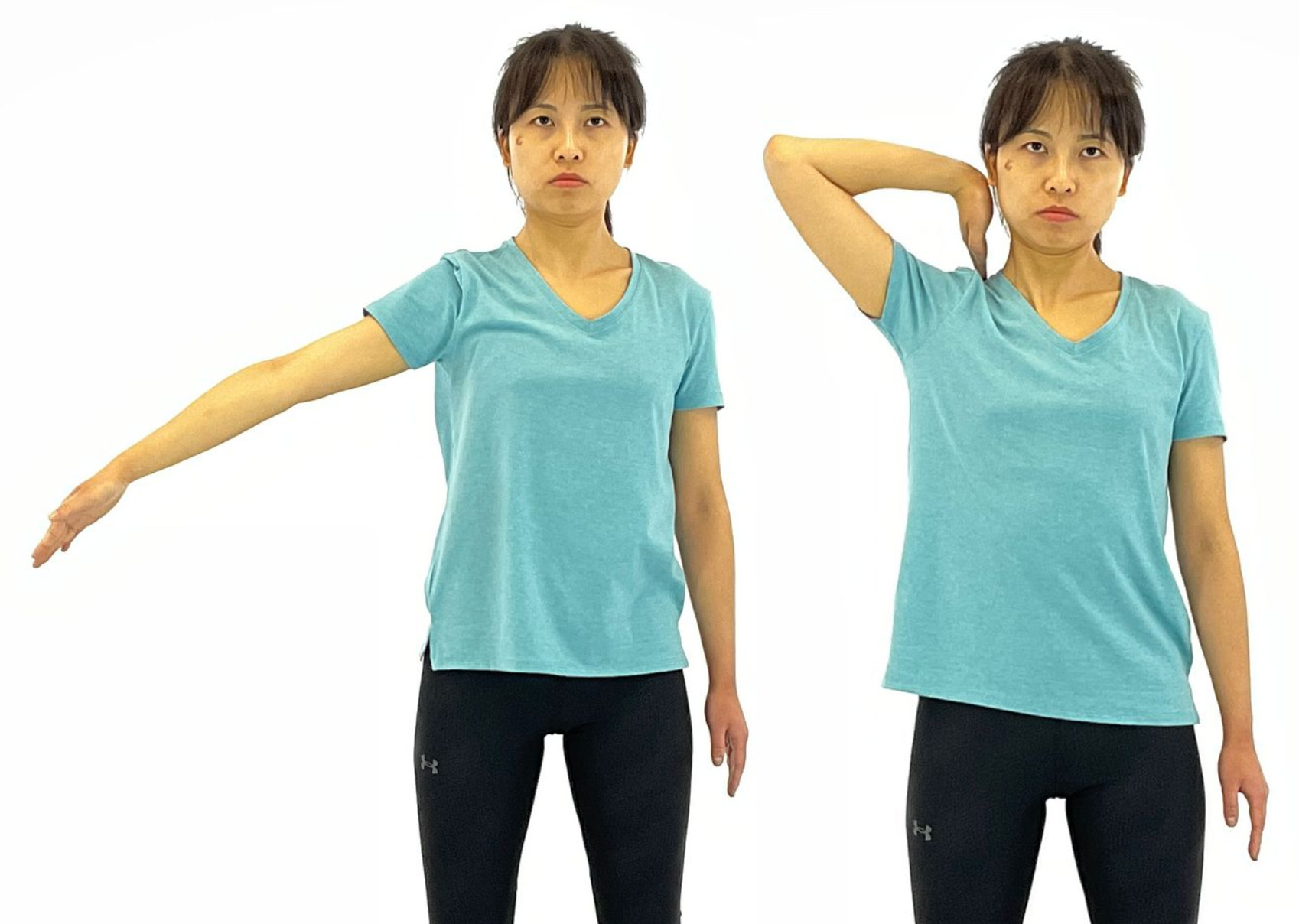
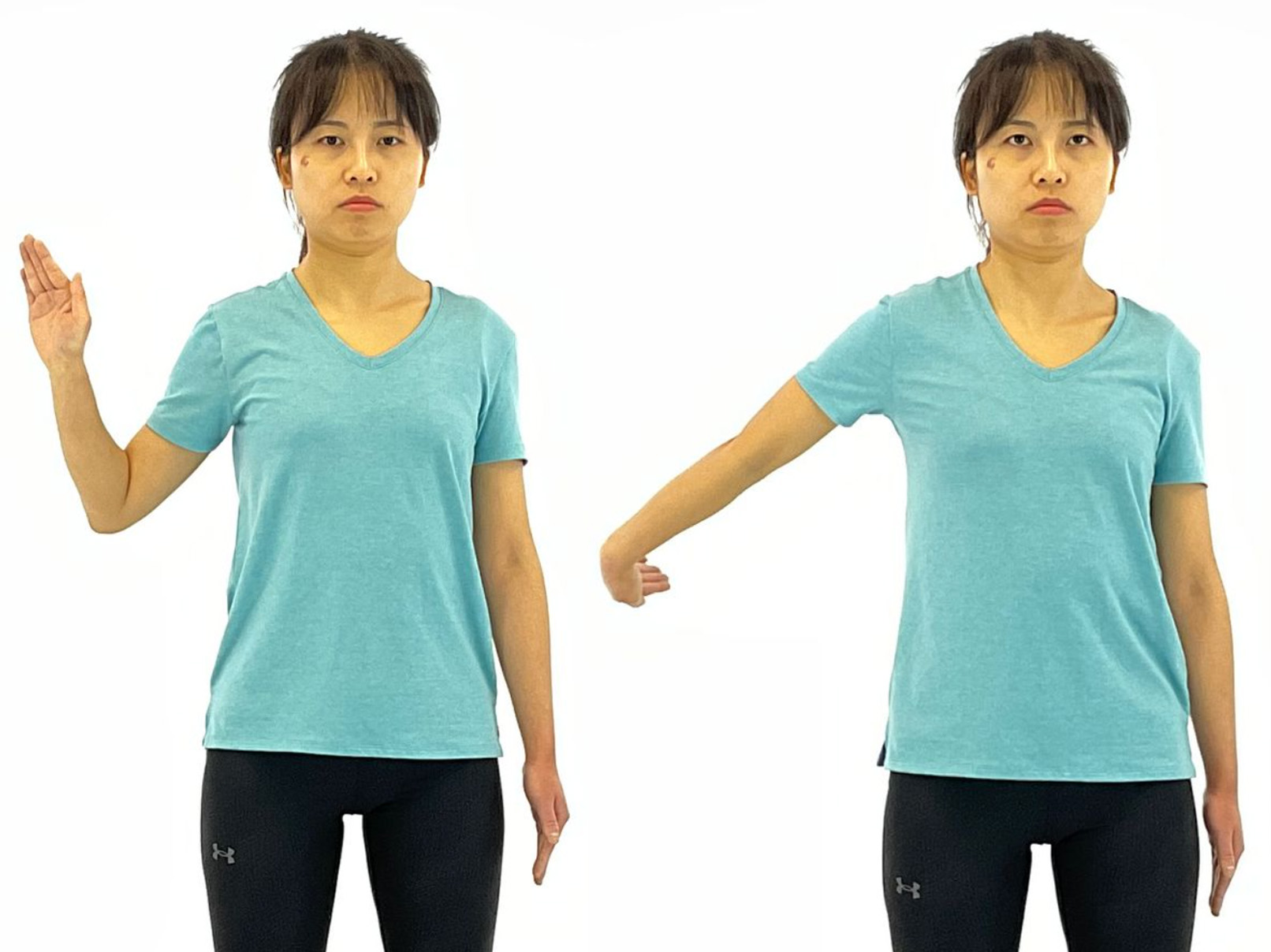
Nerve Glides: Simple Exercises to Ease Nerve Discomfort
If your elbow, wrist, or hand pain stems from a nerve disorder (like carpal tunnel or cubital tunnel syndromes), you might benefit from nerve glide exercises. These simple mobilization techniques stretch the nerves and encourage them to follow the natural movement of your joint.
Your arm contains three major nerves, and the McCabe and Brady team has a nerve mobilization exercise for each. Try them out at home–but stop if you feel any pain.
And if you want to learn more about nerve gliding exercises, schedule an appointment with us today!
Median Nerve Glide
Stand up straight and place one arm by your side, the palm facing up. Slowly bend your wrist back so your fingers move toward the floor, and you feel a stretch in the front of your wrist and palm.
Next, tilt your head away from your arm. Imagine your arm, neck, and head forming a diagonal line.
Hold for a few seconds before returning to the starting position and repeating on the other side.
Ulnar Nerve Glide
Stand up straight and hold your arm so that it forms a 90-degree angle with your palm turned away from your body. Turn your head to look at the back of your hand.
Next, bend your wrist so your fingers point toward your face. Then, slowly move your hand and head so that you can touch your palm to the side of your face.
Repeat the movement a few times, then move to the other side.
Radial Nerve Guide
Stand straight with your arm at your side, palm facing to the back. Bend your wrist so your palm faces the ceiling.
Holding your hand in that position with your arm straight, raise the arm until you feel a pull in your arm. How high you can go will vary from person to person.
Tilt your head away from your arm, then toward your arm, moving slowly.
Repeat a few times, then move to the other side.
Our Patients Get Great Results
“McCabe and Brady Physical Therapy are absolutely the best in the area!! I have been a patient for years. From knee, wrist, and back issues, I have always been completely satisfied. Frank McCabe really listens and asks questions about you as an individual and your lifestyle. He adapts his care to the individual, and it usually takes just a few visits to feel the difference. So happy I can count on Frank and his team when I need them🤗“
— Louise.

July 4th Celebrations: Prioritize Health and Safety
July brings 4th of July celebrations, and while enjoying fireworks and picnics, it’s essential to prioritize safety. Here are some expert tips from McCabe and Brady Physical Therapy:
- Stay Hydrated: With the summer heat, dehydration is a concern. Bring plenty of water to stay hydrated during outdoor activities.
- Firework Safety: If you plan to handle fireworks, follow safety guidelines strictly. Mishandling can lead to burns and accidents.
- Healthy Picnic Choices: Choose nutritious picnic options like salads, grilled veggies, and lean proteins. Limit sugary drinks and snacks that can lead to energy crashes.
- Mind Your Posture: Whether watching fireworks or dining at a picnic, maintain good posture to prevent back and neck strain. Sit upright and use cushions for support if needed.
By focusing on safety and making healthy choices, you can have a memorable and healthy 4th of July celebration!
Refer a Friend

If you’ve experienced the outstanding care at McCabe and Brady Physical Therapy, why not share it with your friends? Referring them means giving them access to personalized treatment that can make a real difference in their health and well-being. Help them find a trusted healthcare partner—refer a friend to McCabe and Brady Physical Therapy today!
Meet Our Team

Alexandra Prophet
DPT, Cert. MDT

Douglas Brady
DPT, JD, Cert. MDT, AIB-VRC

Frank McCabe
MPT, B.S. Ex. Phys., Cert. MDT

Lauren Suchanick
DPT, Cert. MDT, AIB-VRC

Richard Winters
CSCS, DPT, OCS, Cert. MDT

Steve Smeck
BS. Ex. Phys, DPT